Tokyo DisneySea disability pass: Your Complete Guide for 2026
Affiliate Disclosure: This post may contain affiliate links. If you click on these links and make a purchase, I may earn a small commission at no additional cost to you. These commissions help support the maintenance of this blog and allow me to continue providing valuable content to my readers. Thank you for your support! Please read my Privacy Policy for details.
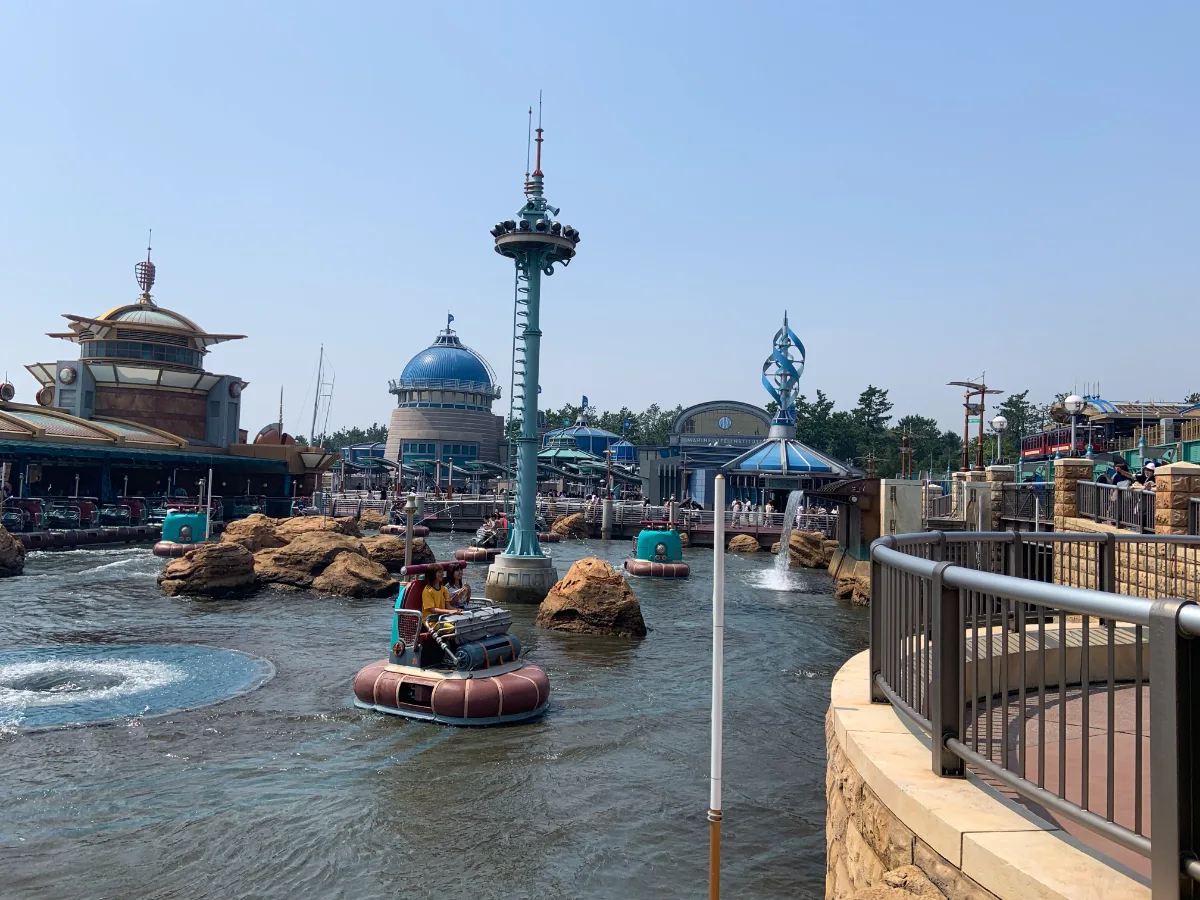
Table of Contents
Tokyo DisneySea is, one of the most beautiful theme parks in the world. It is also the more complex of the two Tokyo Disney parks to navigate with a disability, but with the right preparation, it is absolutely worth the effort. There are seven immersive themed ports take you from a volcanic crater to a Venetian harbour to the lost city of Atlantis, with shows performed on the open water. The food is genuinely good and on a clear day, you can see Mount Fuji from the park.
Before you cross DisneySea off your itinerary, this guide will help you plan your visit and ensure your support needs are met with the Disney Disability Access Service. Read on to find out what makes DisneySea different from nearby Disneyland, where the challenges are, and how to prepare for your visit.
Tokyo DisneySea disability pass
- Disability Access Service (DAS): Register at your first ride or at the Guest Relations desk.
- Wheelchair accessible: Yes – pathways, restrooms, and transportation throughout the park are accessible. Ride access varies significantly by attraction.
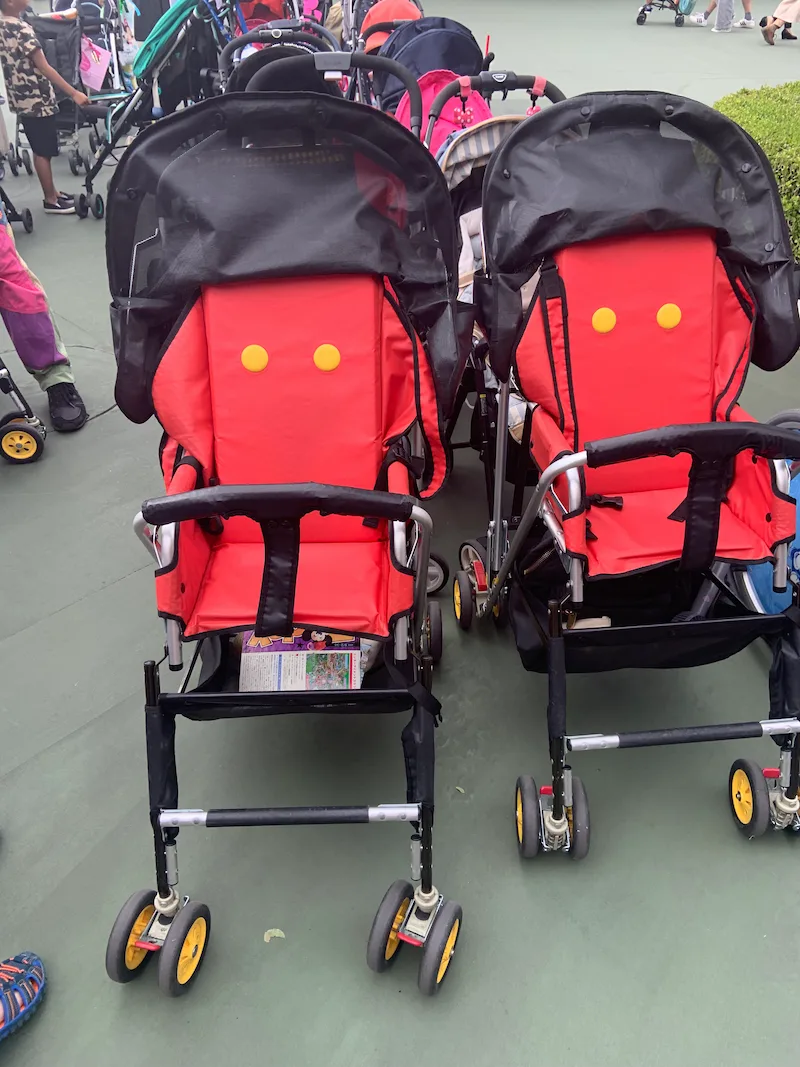
- Stroller as wheelchair: Available on request with a staff-issued sticker.
- Sensory sensitivities: Manageable with planning. Quieter areas exist within each themed port.
- Physical ride access: More restricted than Disneyland due to stricter evacuation requirements. Wheelchair users cannot board certain attractions.
- Language: Navigating the language barrier for International guests.
- Tickets: How to book in advance – the park sells out, especially on weekends and school holidays.
Is DisneySea actually accessible?
This is the first question most families ask, and it deserves an honest answer.
Yes, but with important caveats.
The infrastructure of the park is genuinely accessible. Paths are wide and mostly flat, accessible restrooms are distributed throughout every themed port, and the park’s signature water-based transportation (the Venice gondolas and the DisneySea Transit Steamer Line) can accommodate wheelchairs. The atmosphere is gorgeous, so simply exploring the park, watching the shows and enjoying the food is an experience in its own right.
Where accessibility becomes more complicated is boarding the rides. DisneySea’s attractions were largely designed around unique immersive experiences, like gondola rides, boats, submarines. Unfortunately, many of these rides require that guests be able to exit independently in the event of an emergency which does exclude some wheelchair users from certain attractions.
Whether DisneySea is an accessible destination, depends largely on individual support needs, and this distinction warrants consideration during the planning process. Guests whose disability involves sensory sensitivity, or difficulty queuing in crowded spaces for extended periods, will find DisneySea can accommodate their support needs as well as Disneyland. However, if mobility and physical access is the primary concern, it’s worthwhile researching the specific rides in the park to ensure that the ones you’re interested in will be accessible to you.
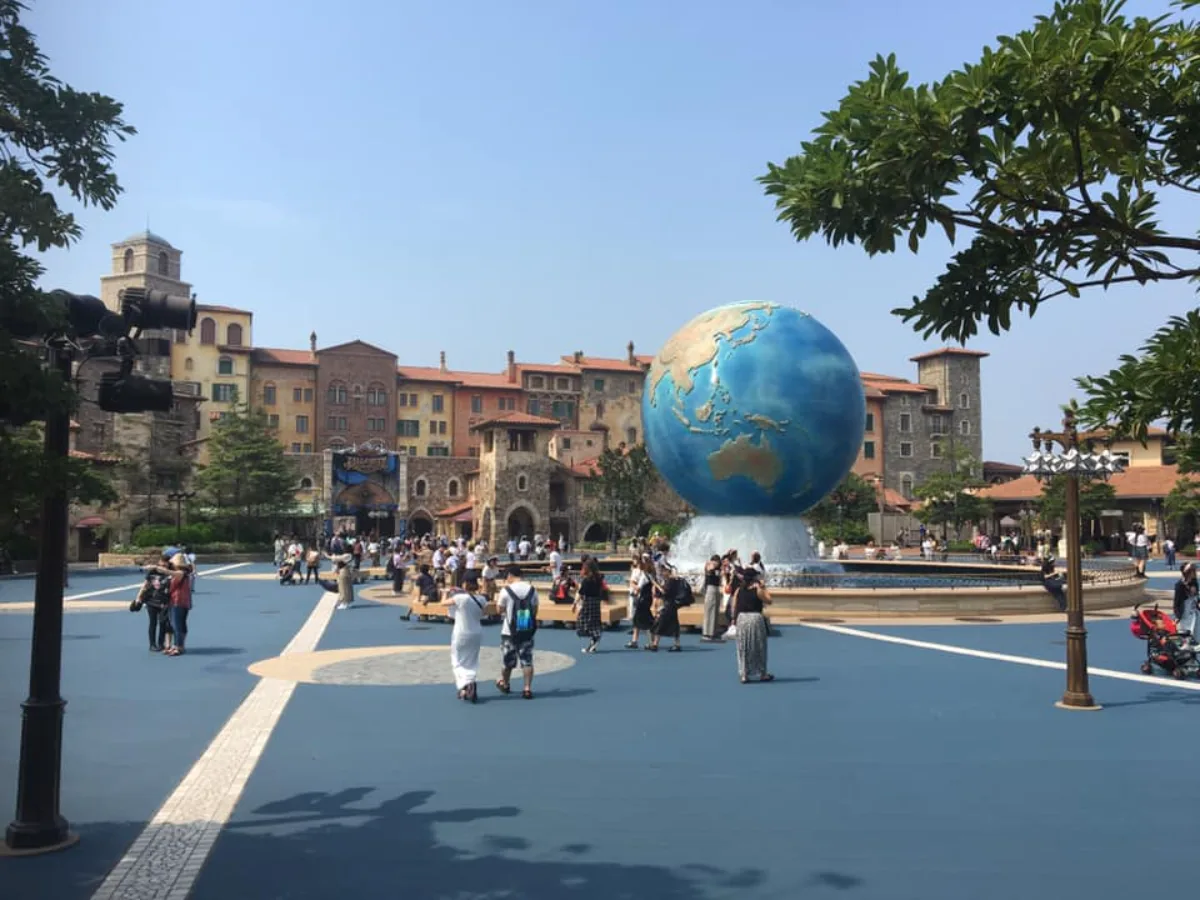
DisneySea DAS pass: how the disability access service works
The Disability Access Service (DAS) works identically at DisneySea to the way it works at Tokyo Disneyland. A few specifics worth knowing:
Registration. If you are visiting DisneySea on a different day to Disneyland, you will need to register again at your first ride or at the Guest Relations desk located near the park entrance at Mediterranean Harbor. If you are visiting both parks in the same day (via the Disney Resort Line monorail), your DAS registration covers both parks.
Return times. At each eligible attraction, a cast member will scan your ticket and issue a return time equivalent to the current standby wait. Use this time to explore the port, eat, or find a quiet spot to decompress. When your return time arrives, enter via the DAS or accessible entrance. A photo of your group will be taken the first time you register.
Safety questions. At each individual ride, cast members will ask safety questions to confirm you can ride safely. These include whether you can sit unassisted, bend your knees to a specific angle, and evacuate via stairs if required. A handheld translation device is used for international guests. This step is repeated at every attraction and while it can feel repetitive, it is always done respectfully.
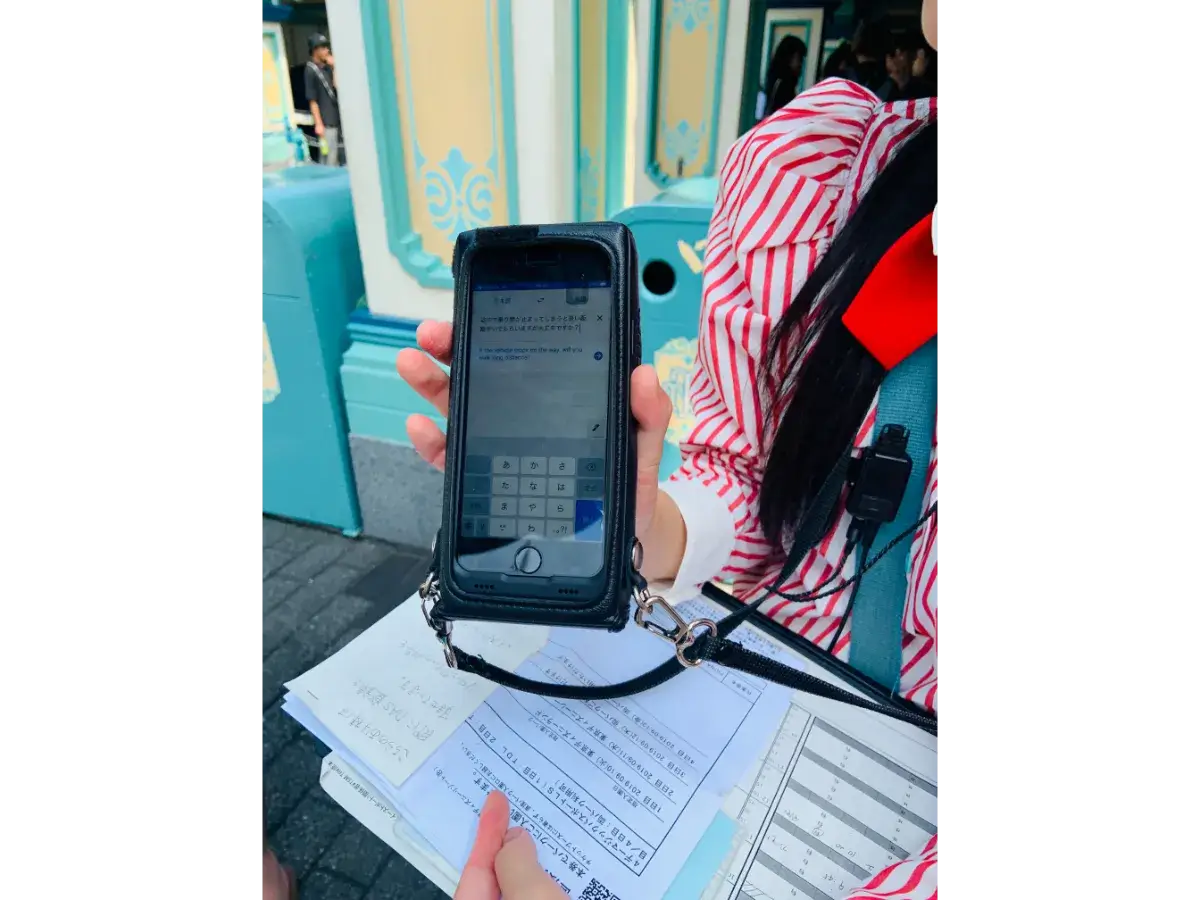
Guest Relations desk. Located at Mediterranean Harbor near the park entrance, the Guest Relations desk is the best first stop if you have more complex needs, if you need broader assistance planning your day, or if you encounter any problems during your visit. Staff here are accustomed to assisting international visitors and will be the most prepared to help with language barriers.
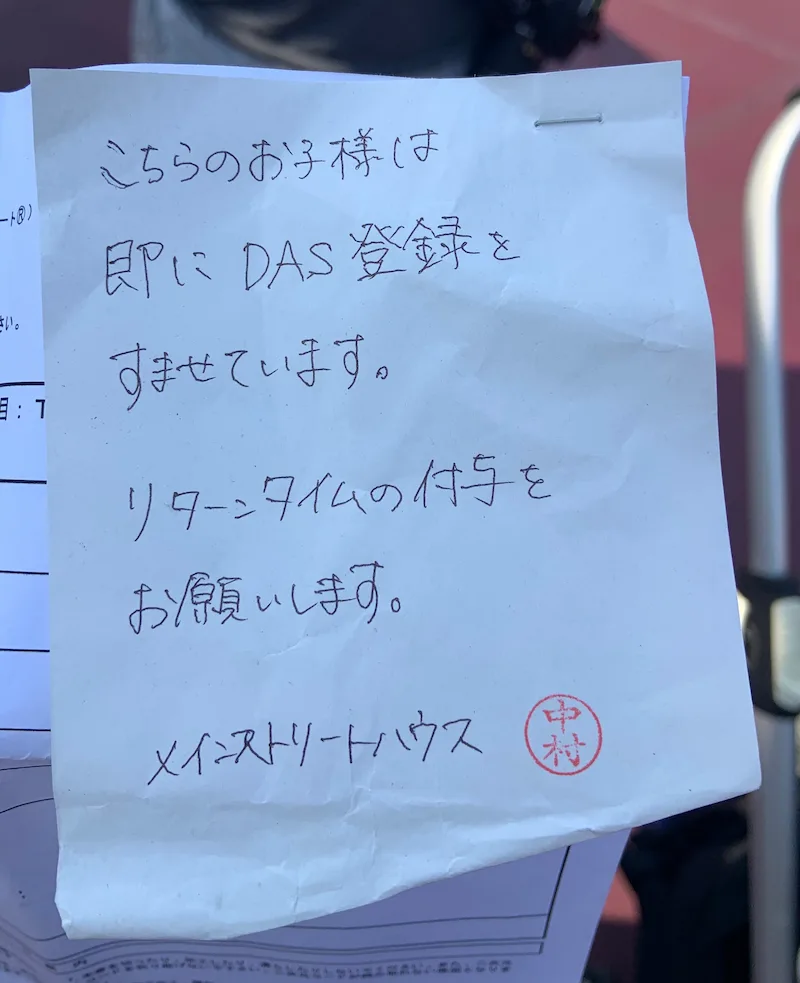
Prepare a Japanese note. Our single strongest recommendation for both parks and especially for DisneySea where the layout can make locating staff more involved is to arrive with a printed Japanese note explaining that you hold a DAS and the support you require. We found this note eliminated virtually every communication difficulty we encountered. If you can ask a Japanese speaker to help you draft it, do so. If not, a translation app should get you most of the way there.
DisneySea wheelchair accessibility by area
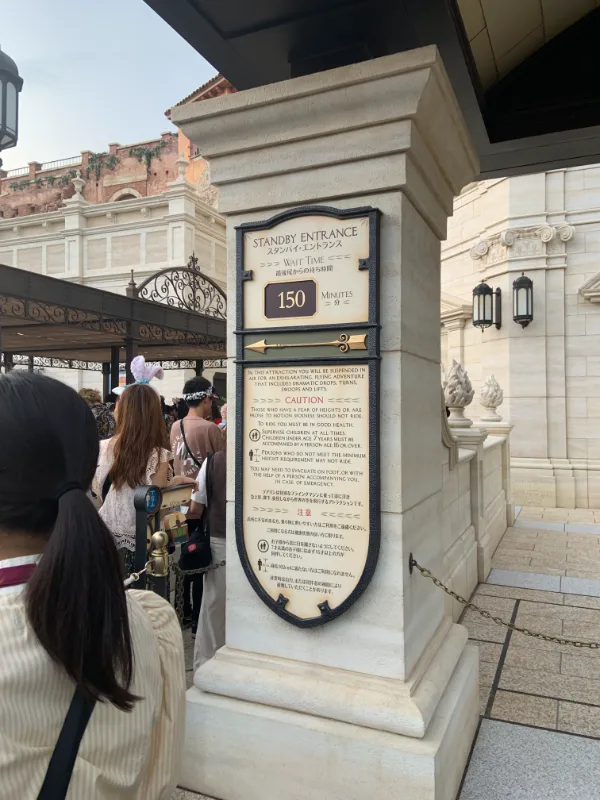
DisneySea is divided into seven themed ports. Read on to find out how guests with disabilities are supported in each area. Our experience was that wait times at DisneySea were significantly longer than the Disney theme park. It’s worthwhile being strategic and identifying your key attractions in advance to avoid disappointment.
Mediterranean Harbor
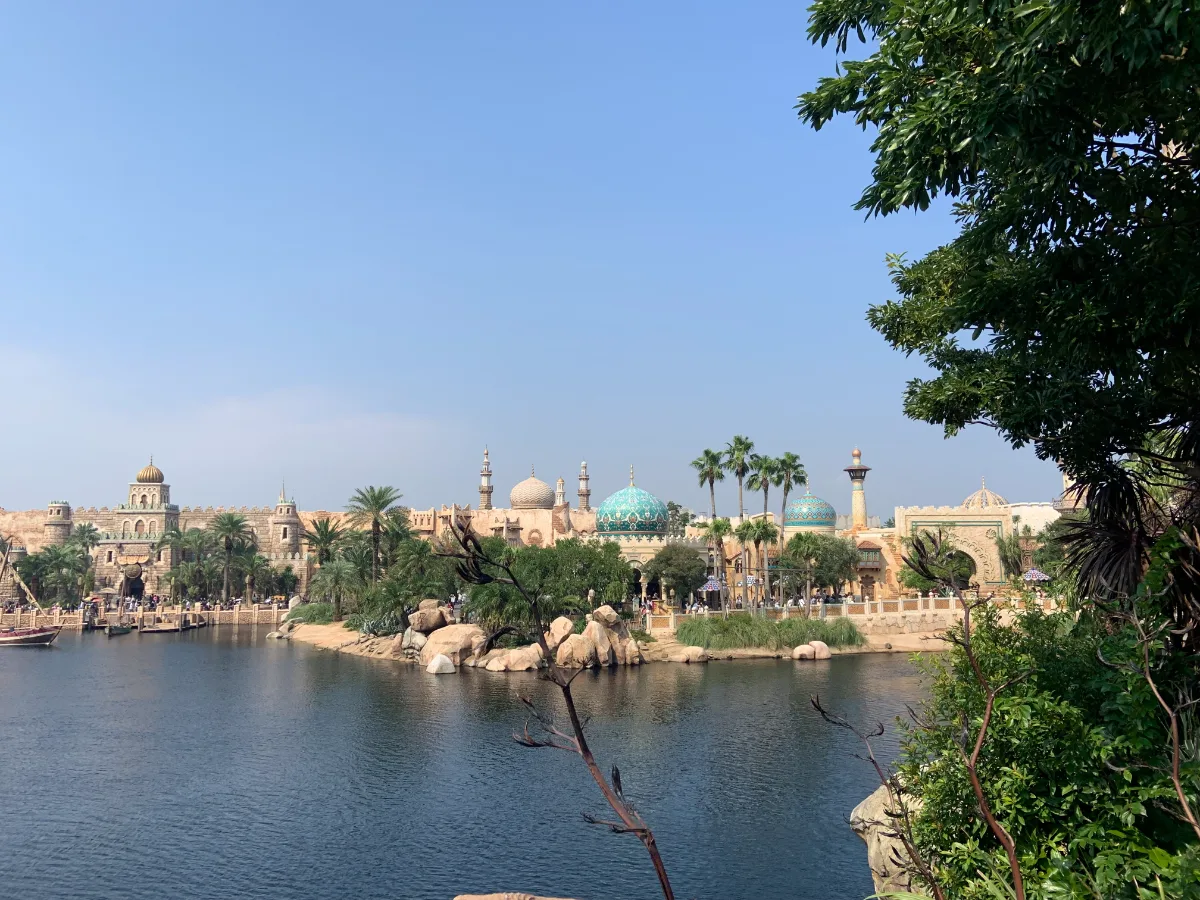
This is the park entrance and the main hub of DisneySea. The DisneySea Transit Steamer Line, one of the park’s transport boats, departs from here and is wheelchair accessible. The Venetian Gondolas are a slower, atmospheric ride around the harbor and can accommodate some mobility aids, though guests must be able to transfer to the gondola seat. The harbour itself is the most expansive viewing area in the park and is excellent for watching the water shows, which are among DisneySea’s highlights and fully accessible from the waterfront.
American Waterfront
Home to two of DisneySea’s most popular headline attractions.
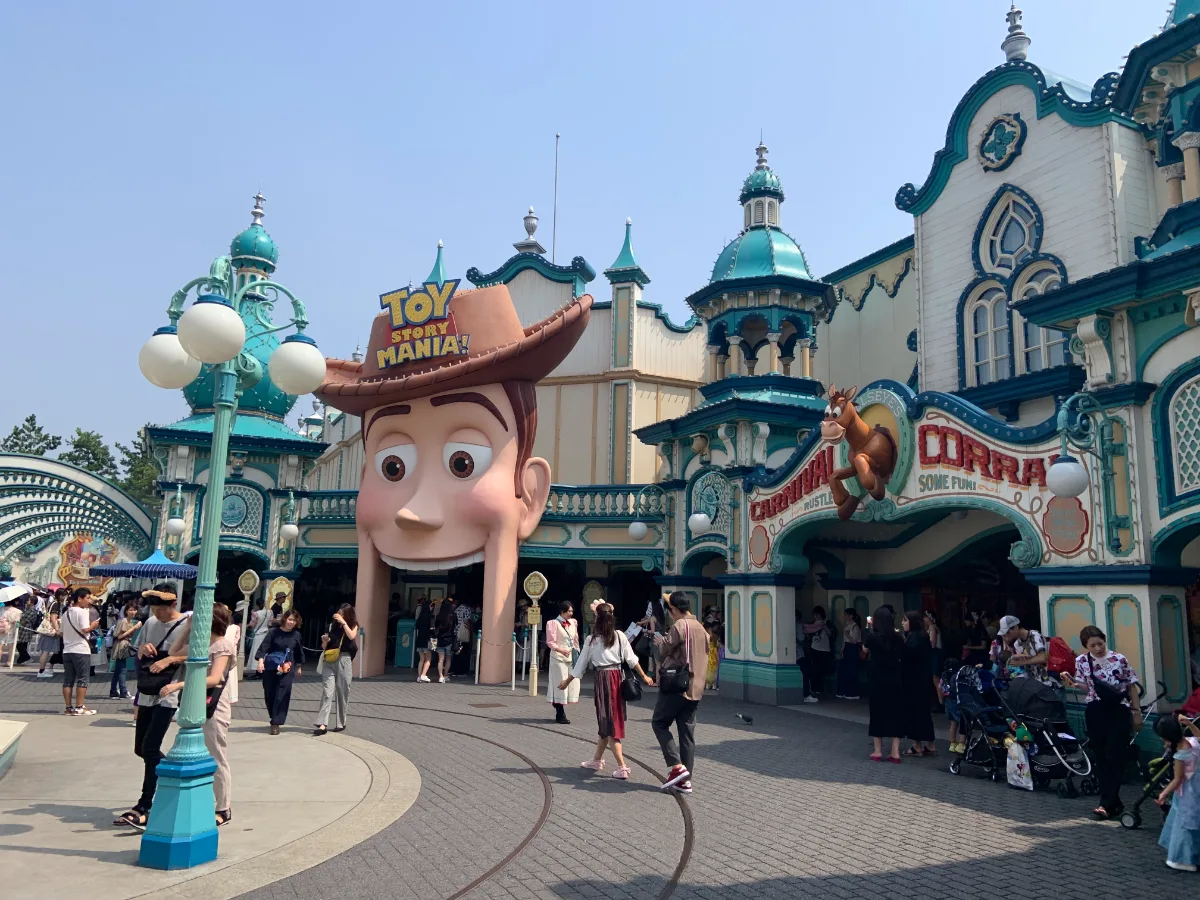
Toy Story Mania – DAS eligible. This is a seated dark ride in a standard ride vehicle and is broadly accessible. Guests using wheelchairs can transfer to the ride vehicle, and the attraction does not have significant physical requirements. One of the most accessible major rides in the park.
Tower of Terror – DAS eligible. This is a drop tower attraction and requires guests to be able to sit independently. Physical access depends on individual mobility. The elevator-style vehicle does require an independent transfer which may not be accessible to all wheelchair users. The themed queue area and outdoor sections are fully walkable, which is worth knowing if you are accompanying someone who is visiting separately.
S.S. Columbia Dining Room – a good option for a quieter, sit-down meal away from the main crowds.
Port Discovery
Aquatopia – DAS eligible. Outdoor spinning water ride in individual pods. Guests using wheelchairs must be able to transfer to the ride vehicle. The outdoor setting within Port Discovery is pleasant for waiting and resting.
Finding Nemo & Friends SeaRider – DAS eligible. A motion simulator experience. Motion sensitivity is worth considering here. The attraction involves movement and some visual intensity, which may be relevant for guests with vestibular sensitivities.
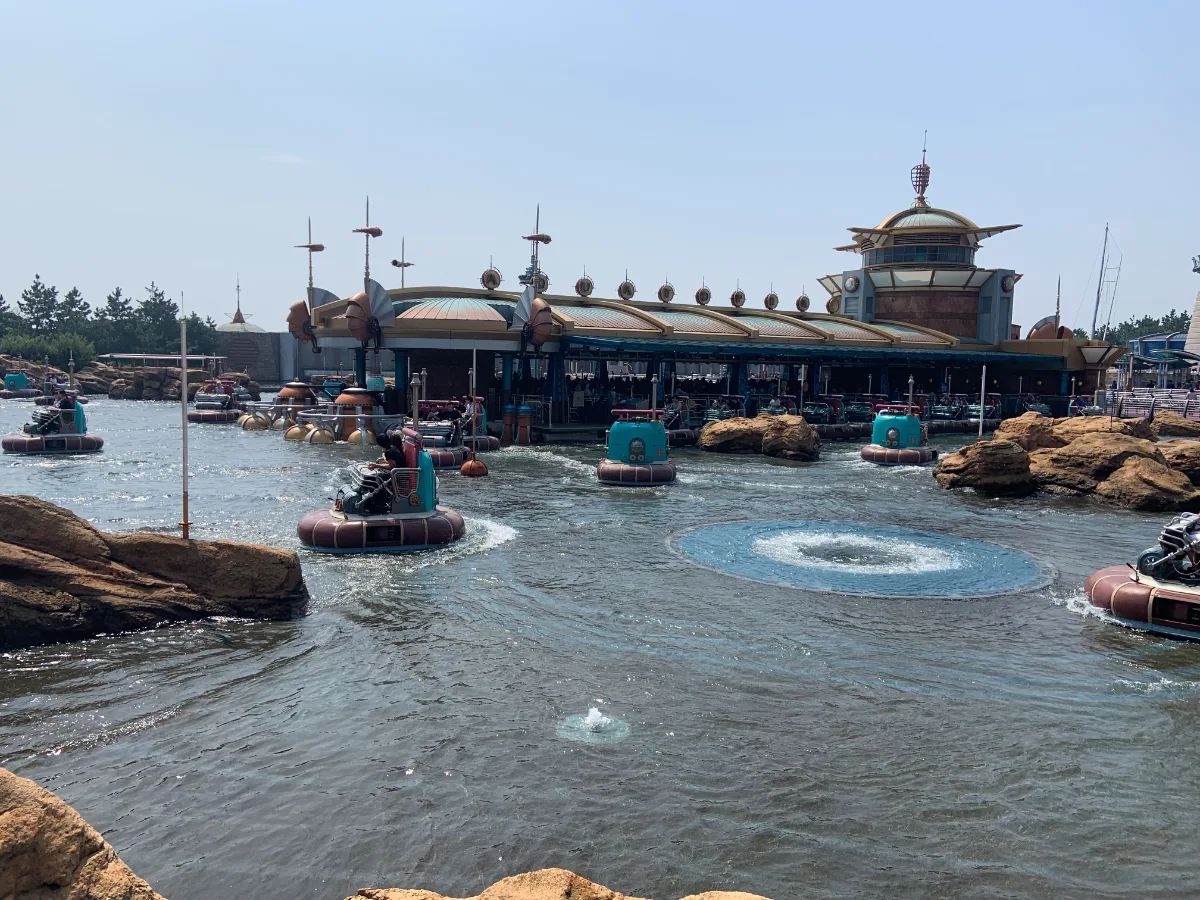
Lost River Delta
Indiana Jones Adventure: Temple of the Crystal Skull – DAS eligible. One of DisneySea’s most thrilling rides. This is a vehicle-based adventure ride with significant physical movement. Guests must be able to hold on and maintain a seated position independently. Wheelchair accessible boarding is available but guests must be able to transfer.
Raging Spirits – DAS eligible. A roller coaster with a 360-degree loop. Not accessible to wheelchair users without the ability to transfer. Not recommended for guests with significant sensory or motion sensitivities.
Arabian Coast
Sindbad’s Storybook Voyage – DAS eligible. This is a slow-moving boat ride and one of the best choices for families with sensory sensitivities or mobility considerations. The pace is gentle, the theming is beautiful, and it is broadly accessible. One of our personal recommendations for families visiting DisneySea with younger children with disabilities.
The Magic Lamp Theater – DAS eligible. A seated 3D show with some special effects. Worth being aware of the effects element if sensory processing is a consideration. The show involves surprises and sensory effects beyond the screen.
Caravan Carousel – accessible. A two-story carousel that is broadly accessible for families. A calmer choice in this area of the park.
Mermaid Lagoon
Mermaid Lagoon is built almost entirely indoors and underground, which makes it simultaneously one of the most magical areas of the park and one of the most sensory intense. The lighting is dim and coloured, the theming is immersive, and it is enclosed.
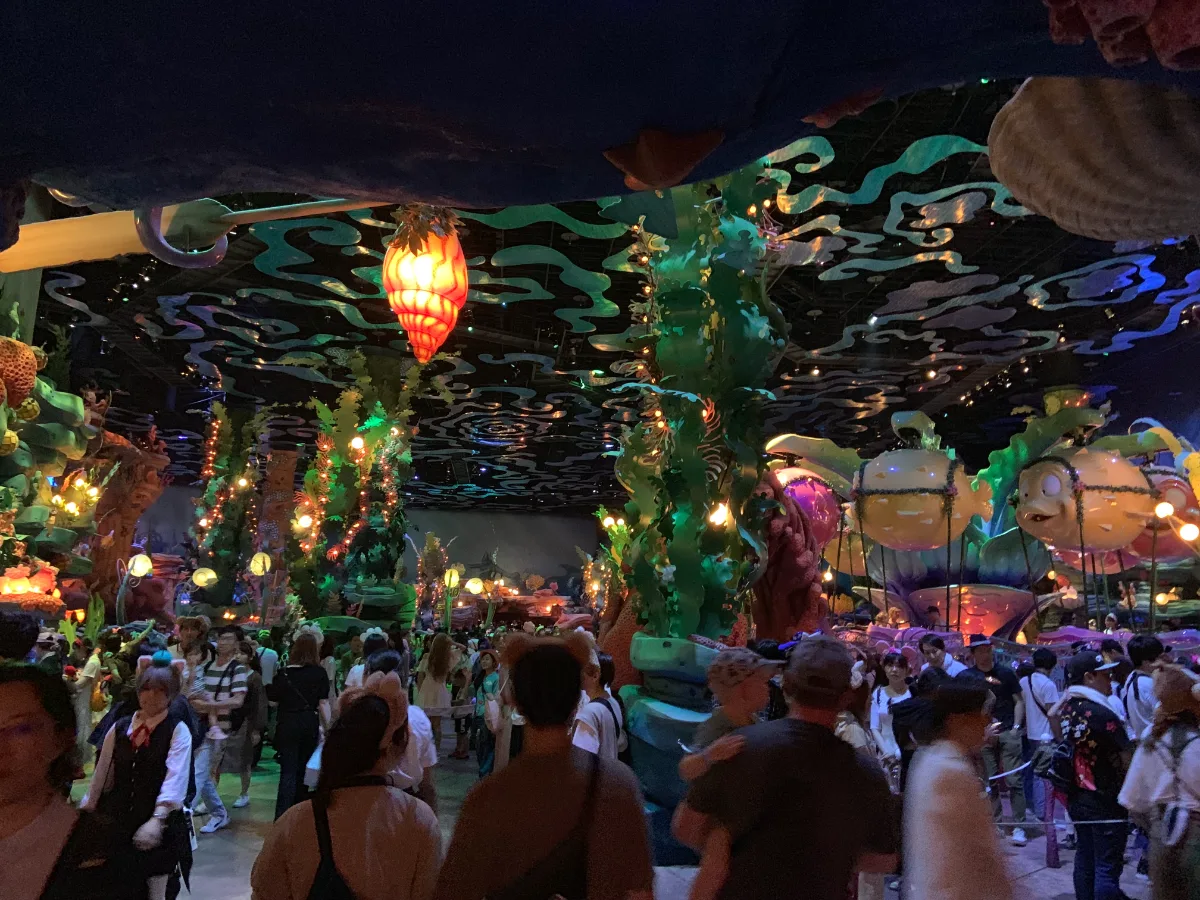
Scuttle’s Scooters, Jumpin’ Jellyfish, Blowfish Balloon Race – outdoor rides on the surface level of Mermaid Lagoon are more accessible and suitable for younger or more sensory-sensitive visitors.
Flounder’s Flying Fish Coaster – a small coaster. DAS eligible. Physical requirements are minimal.
The King Triton’s Concert / Ariel’s Playground – not a ride but a show space and soft play area that can function as a sensory break space during quieter periods of the day. Worth bearing in mind.
The enclosed nature of Mermaid Lagoon means that some guests with sensory sensitivities may find it overwhelming to explore the themed area, separate to the rides. During our visit it was very crowded, so some may benefit from an exit strategy before going in.
Mysterious Island
Journey to the Center of the Earth – one of DisneySea’s signature rides. DAS eligible. Guests must be able to transfer to the ride vehicle. This is a vehicle-based ride with a significant drop element. Accessible for guests with queue difficulties. Physical access depends on individual needs.
20,000 Leagues Under the Sea – DAS eligible. A submarine-style dark ride. Guests must be able to descend a small set of stairs to board the submarine, which limits access for some wheelchair users. The experience itself is extraordinary, genuinely unlike anything at other parks and if it is accessible to you, it is not to be missed.
Wheelchair and mobility access at DisneySea
The paths throughout DisneySea are paved and wheelchair friendly. The park is large and there is a significant amount of ground to cover between ports, so some fitness is required for those visiting on foot. Wheelchair and stroller rentals are available inside the park near the entrance.
The DisneySea Transit Steamer Line connects Mediterranean Harbor, American Waterfront, and Port Discovery, and is wheelchair accessible with ramps available. Taking the steamer between ports is a practical way to reduce walking distance and a pleasant experience in its own right.
Accessible restrooms are available in all themed ports. The park’s accessibility map, available at Guest Relations and at the park entrance, marks every accessible facility.
One practical note: DisneySea’s terrain, while generally flat, does include some gentle slopes in areas like Mysterious Island and Lost River Delta where the theming incorporates elevation changes. These are manageable for most using mobility aids but worth being aware of if fatigue is a factor.
Sensory considerations at DisneySea
DisneySea is a more intense sensory environment than Tokyo Disneyland in several ways. The immersive theming means some environments are dark, enclosed, and quite atmospheric in certain areas. Shows often involve surprise elements, water, light effects, and sound. The park is large, and while the crowd density is distributed across seven ports, it does get very busy.
That said, the layout of the park also creates natural quiet zones that Disneyland, with its more open central design, does not have in the same way.
Calmer areas:
- The exterior walkways of Lost River Delta can be quieter in the late afternoon when crowds move to the harbor for evening shows
- The outdoor sections of Arabian Coast
- Cape Cod Cook-Off and surrounding area in American Waterfront during off-peak meal times
- The waterfront promenade areas of Mediterranean Harbor before and after peak show times
Higher sensory load areas:
- Mermaid Lagoon (enclosed, atmospheric lighting, enclosed crowd spaces)
- American Waterfront during parade and show times
- Any area during the main evening harbor show
Starting your day in one of the quieter ports and working your way toward the busier areas as the day progresses is a strategy that works well. If you visit Disneyland one day and then DisneySea the day after, this can give you a better sense of the pace that works for you and allow you to structure the day accordingly.
The best quiet spaces and rest areas at DisneySea
Mediterranean Harbor waterfront seating. Early morning before the major shows start, the harbor-facing benches and terraces are calm, beautiful, and a good place to orientate at the start of the day.
Sindbad’s Storybook Voyage queue exterior. The outdoor queue area has seating and shade and is generally quieter than the main thoroughfares.
Il Postino Stationary in Mediterranean Harbor. A small shop inside the park where the pace slows and the crowds thin out at most times of day. Also sells some of DisneySea’s most unique merchandise.
The Cape Cod area of American Waterfront. This corner of the park has a slightly separate feel from the busier Broadway-style main square, with lower foot traffic outside of meal times.
Hotel MiraCosta lobby. The luxury hotel Hotel MiraCosta sits inside DisneySea, which is unique among Disney parks worldwide. The lobby areas can be accessed during the day for a bit of quiet and calm that is hard to find elsewhere and its position within the park eliminates travel time to your accommodation.
Getting there
The easiest way to reach DisneySea from central Tokyo is via Japan Rail to Maihama Station, which takes approximately 15 minutes from Tokyo Station. The Japan Rail Pass covers the Maihama journey, making it excellent value for visitors already using the rail network.
From Maihama, the Disney Resort Line monorail is fully accessible. Portable ramps are available at platform level for wheelchair users, and staff are available at each station to assist. The monorail stops at four stations, Disneyland, DisneySea, Resort Gateway Station, and Bayside Station, looping every 13 minutes. A day pass for the monorail is worth purchasing. It allows unlimited travel and makes it easy to return to your hotel for a rest break and come back to the park in the evening, which can make a significant difference to the day for families managing energy levels or sensory load.
Where to stay
We stayed at the Hilton Tokyo Bay, one of the Maihama area hotels connected to the parks via both the monorail and a free shuttle bus service and had a great stay. The rooms are very spacious by Tokyo standards, the shuttle is stroller and wheelchair friendly, and the proximity to the monorail makes the mid-day rest-and-return strategy practical without being complicated. It offers more space and better value than on-site Disney hotels.
Hotel MiraCosta is the extraordinary option: the only hotel in the world located inside a Disney theme park. Guests at MiraCosta enter DisneySea directly through the hotel, bypassing the main gate entirely. For families where the early morning arrival and gate crowd is a particular challenge, this is a genuinely meaningful advantage, not just a luxury. Early park access is also included. It is expensive but for the right family, it can be a worthwhile option.
Tokyo Disneyland Hotel sits directly outside the Disneyland entrance and provides 15 minutes of early entry to both parks. It is the best option if you are prioritising Disneyland but spending a day at DisneySea too.
Mitsui Garden Hotel Prana Tokyo Bay is a more affordable option in the Maihama area with a free shuttle to the park, and a solid choice for families looking for good value without sacrificing convenience.
| Hotel | Pros | Cons | Best for… |
| Tokyo Disneyland Hotel | ✓Closest hotel to Disneyland ✓Happy Entry (15 min early park access) ✓ Less expensive than hotels within the park | ✗Expensive ✗Books out early ✗Monorail to DIsneySea | Guests who will spend more time at Disneyland, don’t like crowds and benefit from regular rest breaks at the hotel |
| Hotel MiraCosta | ✓Inside DisneySea – avoid main gate for easier transition ✓Happy Entry (15 min early park access) ✓Italian theme | ✗Expensive ✗Monorail to Disneyland | Guests who will spend more time at DisneySea, want a smoother transition to the park and benefit from regular rest breaks at the hotel |
| Toy Story Hotel | ✓Toy Story theme ✓Happy Entry included ✓Most affordable Disney hotel ✓Bayside Station close to DisneySea | ✗Smaller rooms ✗Fewer dining options | Guests who love Toy Story and want to stay at a Disney owned hotel on a budget. Happy Entry to adjust before the crowds |
| Hilton Tokyo Bay – Our Pick – | ✓Spacious rooms ✓Close to Bayside Station monorail ✓More affordable than Disney hotels ✓Shuttle bus to monorail | ✗Not an official Disney hotel ✗No Happy Entry or park benefits ✗Distance to parks | Guests on a budget who don’t mind longer transit times between hotel and the parks. Need extra space for mobility aids. |
| Sheraton Grande Tokyo Bay | ✓1 minute walk to Bayside Station ✓Shuttle bus to monorail every 10 min. ✓Club Lounge available ✓Multiple restaurants and breakfast buffet | ✗Standard rooms are less impressive ✗Breakfast very busy during peak periods ✗No Happy Entry or park benefits | Guests happy to use shuttle bus & monorail and Marriott loyalty membes who will use the Club Lounge |
| Mitsui Garden Hotel | ✓Most affordable ✓Free shuttle bus & monorail access | ✗Smaller rooms ✗Fewer amenities ✗No Disney theming or park entrance benefits | Budget conscious guests who dont need large rooms and are happy to use shuttle bus & monorail |
Disneyland and DisneySea
Tokyo Disneyland and DisneySea are entirely separate parks with separate entrance tickets. They share the Disney Resort Line monorail and many of the surrounding hotels, but they are distinct experiences.
Our honest recommendation for families visiting with a disability is to give each park its own day. Both parks are large and the logistics of managing a DAS, rest breaks, and the physical demands of a full theme park day mean that trying to do both in a single day adds pressure that is hard to justify when DisneySea in particular rewards a slower pace.
If you are visiting both parks a two-day combined Disney park entrance ticket makes the logistics simpler. Book tickets in advance as both parks often sell out and DisneySea in particular reaches capacity quickly on weekends and during school holiday periods.
If you do want to visit both in a single day, start at DisneySea in the morning when the park is quieter and energy levels are highest. Use the monorail to cross to Disneyland mid-afternoon when you have a sense of how everyone is holding up. The evening harbor show at DisneySea is worth staying for, but this strategy at least gives you the option of ending the day at whichever park is working better.
Avoid Golden Week (late April to early May) if possible. It is the busiest period of the year and both parks operate at maximum capacity. Even with a DAS, the sheer volume of visitors adds significantly to the sensory load of the day.
Practical tips we wish we’d known
Prepare your Japanese note before you leave home. A brief note explaining that you hold a DAS and need a return time will save you significant time and frustration at individual rides. Consider preparing one before you travel rather than having to seek help inside the park and reduce demands on the day.
The evening harbour show is accessible from the waterfront. DisneySea’s main night-time spectacular takes place on the open water of Mediterranean Harbor. The entire waterfront is accessible and there is no single designated viewing area so you can position yourself anywhere along the harbour edge. Arriving 20-30 minutes before the show to find a spot that works for your group is worthwhile. The waterfront also gives natural space between groups, which can be helpful if proximity to crowds is a challenge.
Mermaid Lagoon is worth going in, but plan your exit. For families with children who love the Little Mermaid, Mermaid Lagoon is magical. But the enclosed, dimly lit environment can be overwhelming if the day has already been a long one. Consider timing your visit for earlier in the day when energy is highest and the park is slightly less busy.
The food is genuinely excellent. One of the things DisneySea does differently to most Disney parks is take its food seriously. Eating well inside the park is easy and not particularly expensive by theme park standards. Planning a proper sit-down meal as part of the day, rather than eating on the go, gives a natural rhythm break that many families find helps to pace the day well.
You do not need to ride everything to have a fantastic day. DisneySea rewards visitors who slow down and take it all in. The harbour shows, the architecture, the themed ports, the food, the detail in every corner are experiences that exist completely independently of the ride queue. Some of the best moments we had at DisneySea had nothing to do with a ride at all.
Frequently asked questions
Do I need to register for the Disability Access Service at DisneySea separately to Disneyland?
Yes, if you are visiting DisneySea on a different day to Disneyland. DAS registration is park-specific and does not carry over between visits on separate days. If you are visiting both parks on the same day using the Disney Resort Line monorail, your registration covers both parks for that day.
Can wheelchair users access all rides at DisneySea?
No, and this is the most important thing to research before your visit. DisneySea has stricter evacuation requirements than most Disney parks, which means a number of attractions require guests to be able to exit independently via stairs or transfer to a ride vehicle without assistance. Rides like Toy Story Mania and Sindbad’s Storybook Voyage are broadly accessible, while others such as 20,000 Leagues Under the Sea and Raging Spirits are not accessible to all wheelchair users. The ride-by-ride breakdown in this guide covers each attraction in detail.
How do I communicate my support needs to cast members if I don’t speak Japanese?
Our strongest recommendation is to prepare a printed note in Japanese before you leave home, explaining that you hold a DAS and describing the support you need. Cast members can also assist with handheld translation devices at each ride when registering your return time. The Guest Relations desk at Mediterranean Harbor near the park entrance is the best first stop for more complex communication needs, staff there are most accustomed to assisting international visitors.
Can I use a stroller as a wheelchair at DisneySea?
Yes. Tokyo Disney Resort allows strollers to be treated as wheelchairs on request. You will need to ask a cast member for a stroller-as-wheelchair sticker, which allows you to take the stroller into areas where strollers would normally need to be parked.
Does DisneySea have quiet hours or a low-sensory period?
DisneySea does not have designated quiet hours. However, the park is generally quietest in the first hour after opening and after the main evening harbour show ends. Weekdays outside of Japanese school holiday periods are significantly less crowded than weekends. Avoiding Golden Week (late April to early May) is strongly recommended if sensory load is a concern.
Is the Disney Resort Line monorail wheelchair accessible?
Yes. The monorail is fully wheelchair accessible, with portable ramps available at every station and staff on hand to assist. A day pass for unlimited monorail travel is worth purchasing, particularly if you are planning to rest at your hotel mid-day and return to the park in the evening.
Can I leave the park and re-enter on the same ticket?
Yes. Tokyo Disney Resort tickets allow same-day re-entry. You will need to have your ticket scanned on exit and re-entry. This makes the mid-day rest-and-return strategy straightforward, leave when energy or sensory load is running low, rest at your hotel, and return for the evening harbour show.
How far in advance should I book DisneySea tickets?
DisneySea sells out regularly, particularly on weekends, Japanese public holidays, and during school holiday periods. Booking at least several weeks in advance is advisable for any visit. During Golden Week and the summer holiday period, selling out months ahead is not unusual. Tickets can be booked online in advance to avoid disappointment.
Is DisneySea worth visiting with a disability, or is Disneyland a better choice?
Both parks are worth visiting, and the honest answer is that they suit different needs. Disneyland has broader ride accessibility for wheelchair users and a more open layout that is somewhat easier to navigate. DisneySea is more complex physically but offers genuinely outstanding shows, food, and themed environments that are fully accessible and rewarding in their own right. If mobility is the primary consideration, do your research on specific rides before deciding. If sensory sensitivity or difficulty queuing is the primary consideration, DisneySea can accommodate you as well as Disneyland can.
Have you visited Tokyo DisneySea with a disability or additional needs? We’d love to hear what your experience was like in the comments below – what worked, what was harder than expected, and what you would tell another family planning the same trip.
Planning your Tokyo Disney trip? Also read: