Iceland Ring Road Itinerary – the ultimate 13 day road trip
Affiliate Discloser: This post contains affiliate links. If you book through these links, I may earn a small commission at no extra cost to you. Thanks for supporting this blog! Please read my Privacy Policy for details.
2026 Update: It’s been a few years since I wrote about our Iceland Ring Road itinerary, but it remains one of my most popular posts. Interest in Iceland as a travel destination has grown considerably, welcoming over 2 million visitors in 2024. Booking in advance is no longer optional, it’s essential. Accommodation along the ring road fills up months in advance during summer, and popular attractions like the Blue Lagoon now require pre-booking and have introduced tiered pricing that can add substantially to your budget. Fuel costs have also increased significantly and should be factored into your travel budget. Planning ahead for your Iceland road trip is more important now than ever. Luckily, I’ve got you covered!
At a glance…
How long to drive the ring road: 10 to 14 days
Distance: ~1,332km
When to go: June–August or September
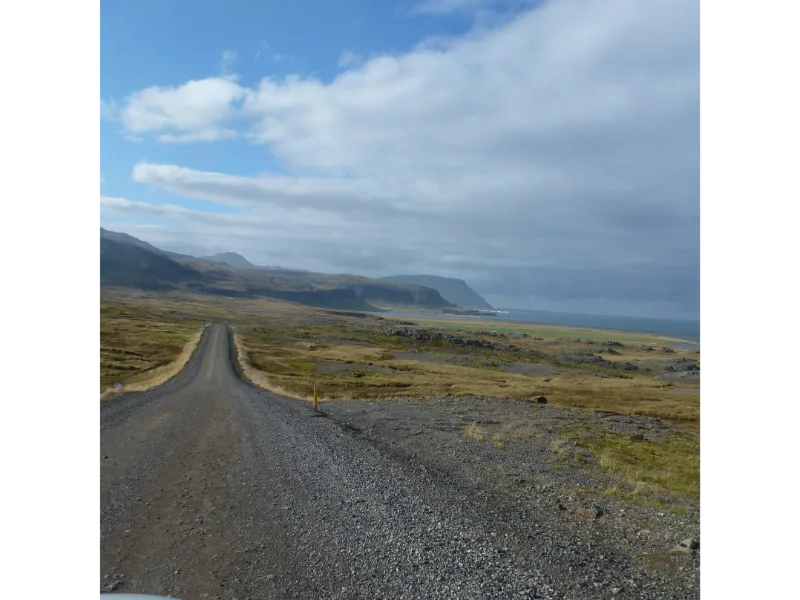
Table of Contents
Planning your Iceland road trip
This is the ultimate 13 day Iceland Ring Road itinerary- arguably the worlds best road trip. Iceland’s Ring Road is, as the name suggests, a circular road officially known as ‘route 1’. The 1332km (827 mile) road takes you on a lap of the island offering spectacular views of lava fields, volcanoes, geysirs, icebergs and glaciers. You’d be hard pressed to find a country with a more dramatic landscape than Iceland and driving the ring road is the perfect way to experience it.
We started our journey in Reyjkavik then travelled clockwise on the Ring Road as we were heading into Autumn and the south stays warmer just a little longer.
Iceland Ring Road itinerary
Iceland is a destination where more time will always be rewarded. However, I recommend a minimum of ten days driving the ring road in Iceland. The adventurous may want to tack on an additional few days for hikes, visits to the highlands or guided glacial tours. Our trip of 13 days allowed us to see everything we wanted to and linger a bit longer in specific places.
Day 1: Reykjavík, Southwest Iceland
Car Hire: Fly to Reykjavík, collect hire car. You can read more about car hire in Plan a trip to Iceland.
Reykjavík
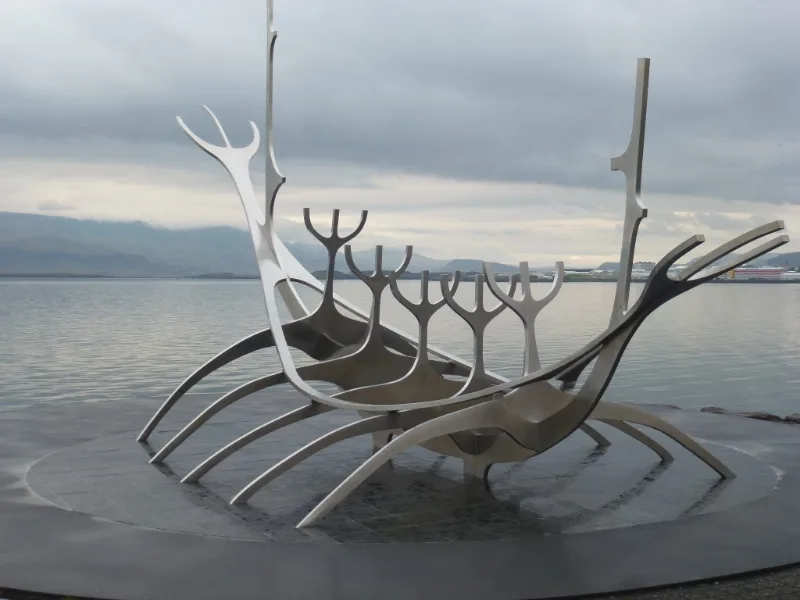
After renting our car at the airport, we drove to Reykjavik and checked into the Laugabjarg Guesthouse for two nights. After a lunch of cold ‘mussel salad’ with a local beer we spent the rest of day exploring the city: browsing shops, stopping at bars and taking a walk along the coast. Reykjavík is a small city by European standards and is easily explored on foot. Allow plenty of time to wander, people watch and absorb the cities unique style. Like a lot of very cold places Reykjavik has a lively music and art scene, perhaps the amount of time spent indoors fosterers creativity. Enjoy the street art and stop in at a bar to listen to a local band.
Day 2: the Golden Circle, Southwest Iceland (300km / 4-6hrs)
No Iceland Ring Road itinerary would be complete without a day trip to the Golden Circle. From Reykjavík, a day trip to the ‘Golden Circle’ takes between 4-6 hours and covers about 300km. There are many tour operators that take groups from Reykjavik, but it’s very easy to get to on your own with a hire car.
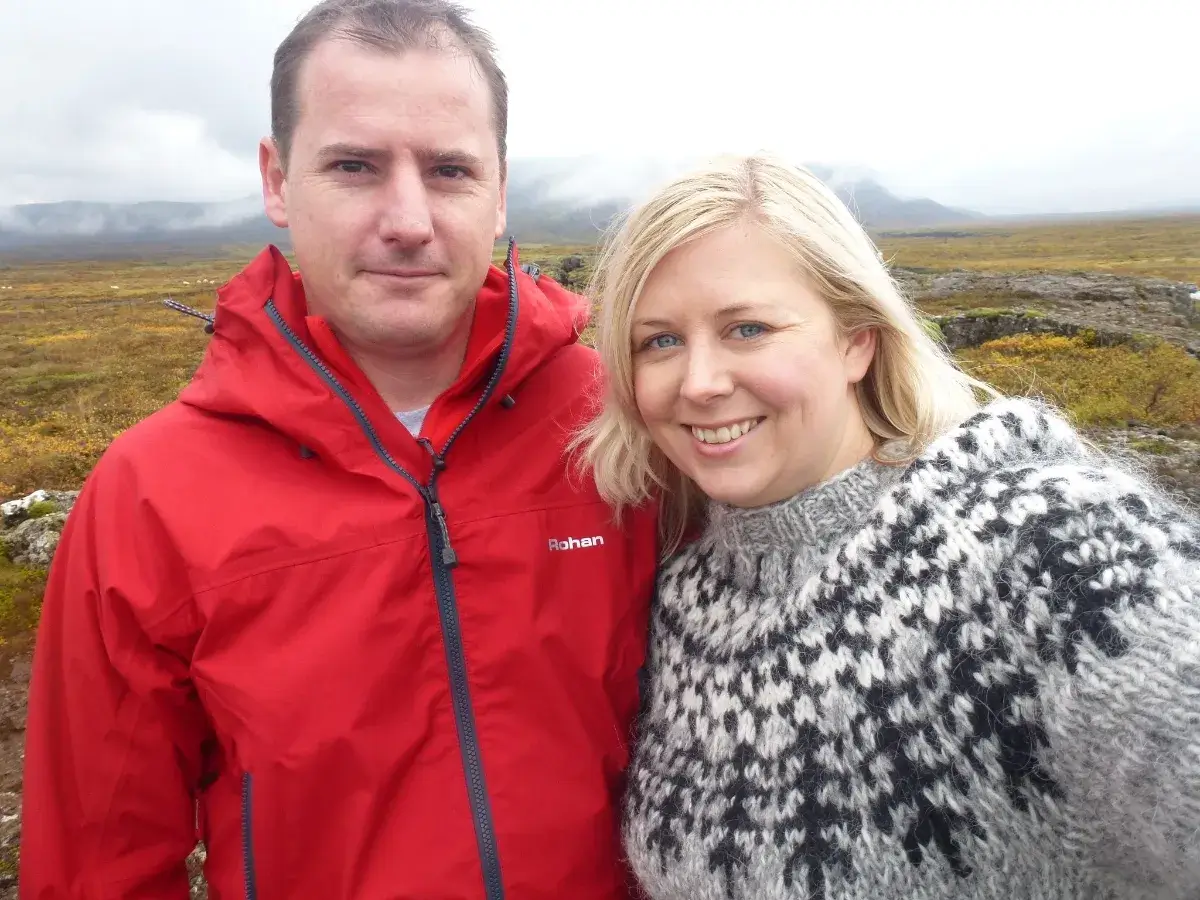
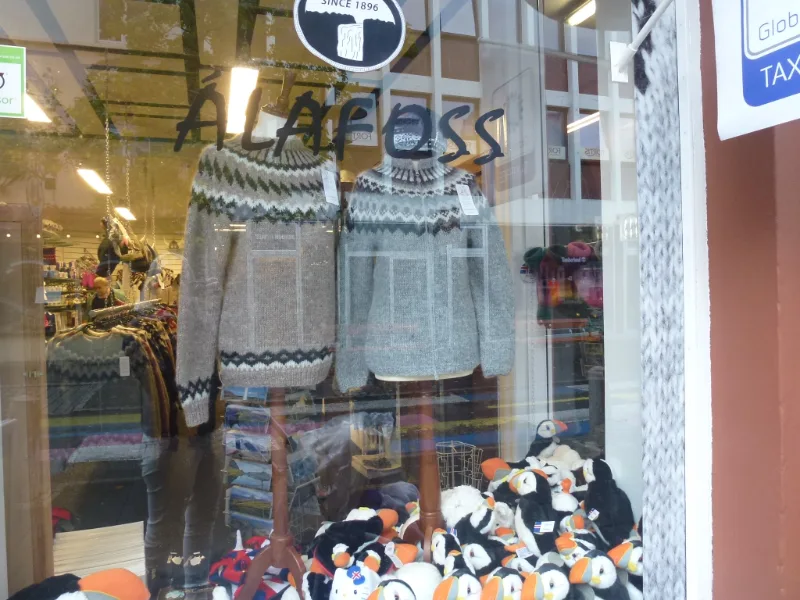
Outside of Reykjavík, look out for the turnoff to Álafoss for the best Icelandic souvenir – a locally-made Lopapeysa. Álafoss have a huge range and all garments are handmade by locals. I bought mine on my second day in Iceland so that I could wear it throughout the trip. It’s held up beautifully over the years, is surprisingly light to wear, and can’t be beat for warmth.
The Golden Circle
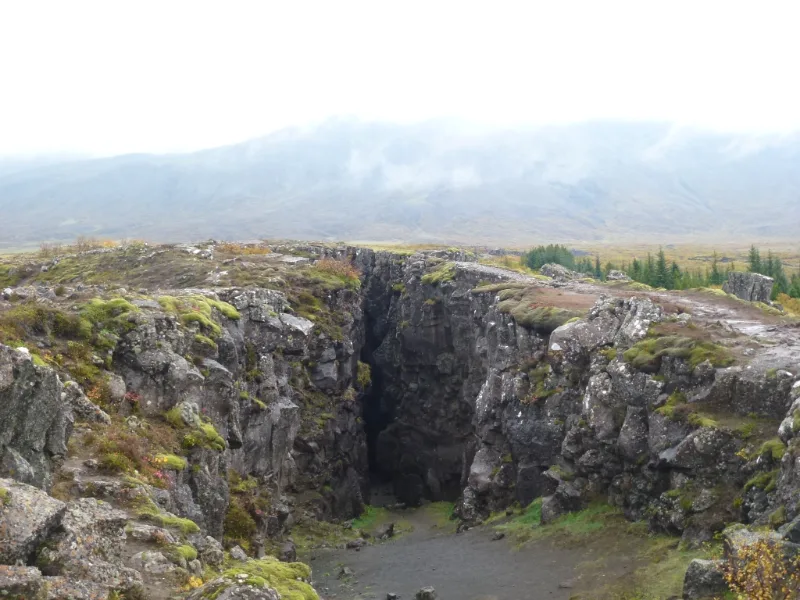
The three main stops on the Golden Circle are Þingvellir, Geysir and Gulfoss waterfall. Þingvellir is the site of Iceland’s first parliament. It’s also the location of the divergent margin of the North American and Eurasian tectonic plates. This is one of the few places in the world where you can see tectonic plate boundaries on land, and it’s possible to walk between continents. As you drive through the rift valley spare a thought for those responsible for road maintenance.
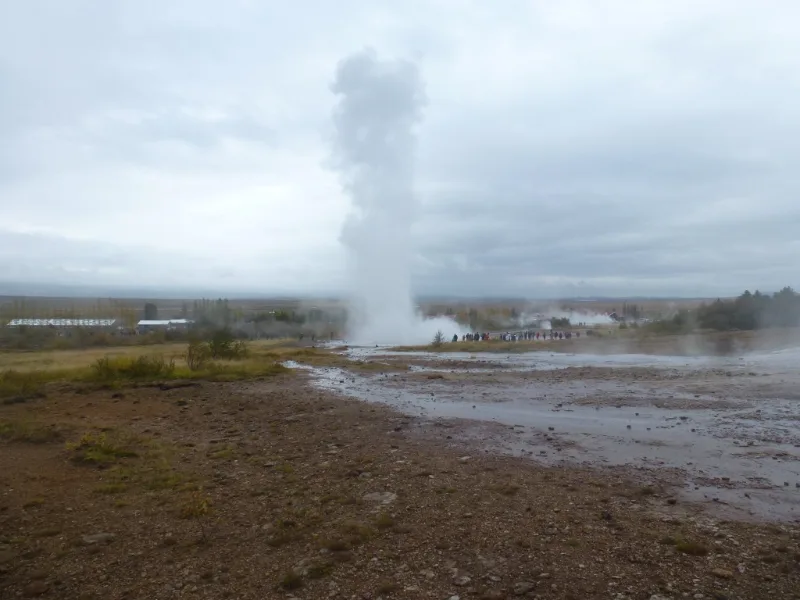
The Geysir region in the Golden Circle is not the only place in Iceland to view such a natural wonder, but it is the location of the original geysir for which all others were named. It erupts every 5-10 minutes so there’s no excuse not to get the perfect shot.
Of the three sites, Gulfoss (Golden Falls) was the most spectacular. Gulfoss is a double cascading waterfall and if you’re lucky the sunlight hits the mist just right to create a rainbow halo.
Return to Reykjavík
After Gulfoss waterfall, take route 35 which passes through Reykholt and then rejoins the ring road just outside of Selfoss then simply follow the ring road back to Reykjavík.
The Laundromat Cafe is a great spot to stop for a meal and pop on a load. The laundromat is located downstairs, so put the washing on then take a seat upstairs to watch the world go by with a cold beer.
Day 3: Reykjavík to Snæfellsnes Peninsula, West Iceland (140 km / 2 hours)
We officially started driving the ring road on day 3, leaving Reykjavik and heading to the Snæfellsnes Peninsula in West Iceland. This region is famous for Snæfellsjökull, the setting in Jules Verne’s novel ‘Journey to the Centre of the Earth’.
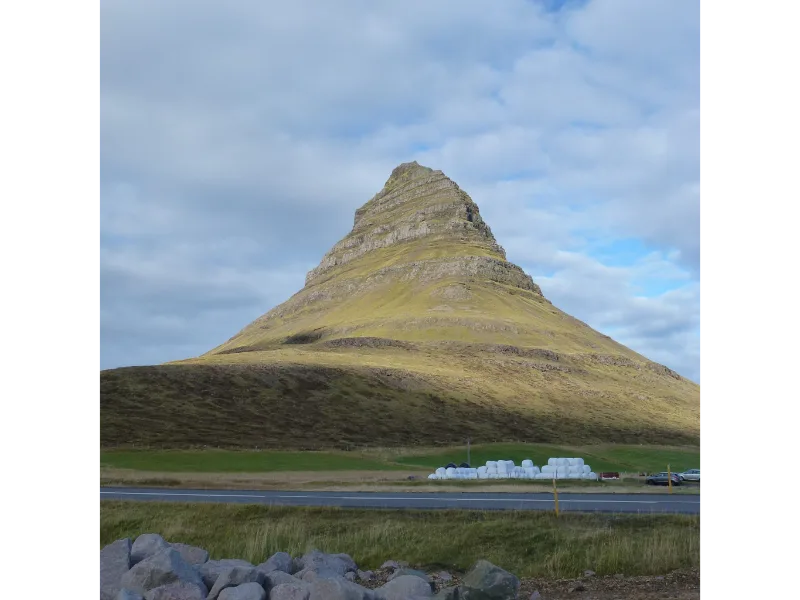
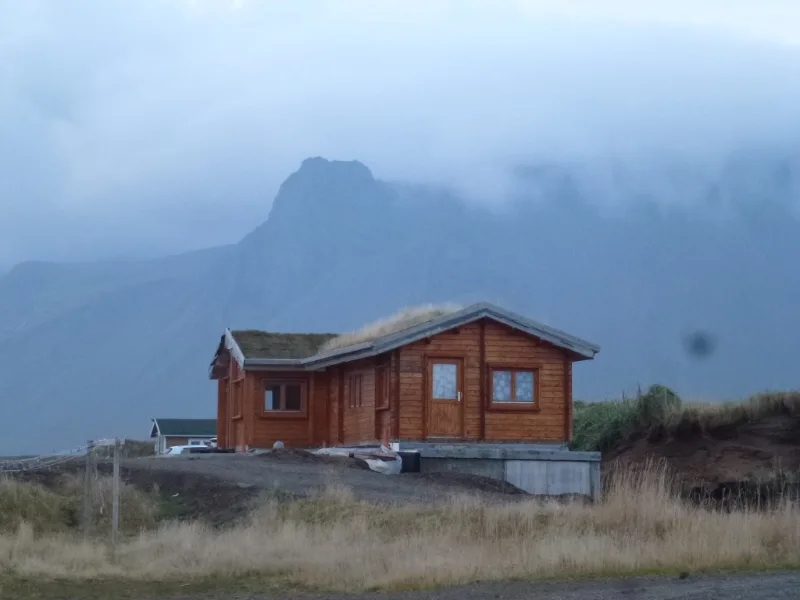
From here on, our trip took on a different pace as we slowed down and explored this remote, dramatic country. We stayed at Guesthouse Hof in a cottage overlooking the sea. The quiet cabins were a welcome sight after two days in the city and the perfect spot for a sundowner in the outdoors.
Grundarfjörður and Stykkishólmur
If I’d had more time I would’ve liked to spend more time in Grundarfjörður, a fishing town wedged between the mountains and the sea. Stykkishólmur is a lovely place to stop for lunch but if you’re just passing through be sure to call into the Bonus supermarket to stock up on food before hitting the road. Most of the cottages we stayed at on our road trip had kitchen facilities, which we took advantage of to prepare our own dinners and stretch our travel budget.
“Descend, bold traveller, into the crater of the jökull of Snæfell, which the shadow of Scartaris touches before the Kalends of July, and you will attain the centre of the earth. I did it”
Jules Verne, Journey to the centre of the earth
Day 4: Snæfellsnes Peninsula to Akureyri, North Iceland (370km / 4.5 hrs)
The drive to Akureyri is about 4 to 5 hours with little to stop and see along the way. This was probably the least interesting section of the ring road, and we were happy to get it out of the way early. We rolled into Akureyri, Iceland’s second largest city, in the late afternoon. There are lots of accommodation options available, and it’s a great place for a bit of holiday shopping before you explore the more isolated areas of Iceland. Akureyri is a great base for those interested in a whale watching tour and the best to see the whales migrating is between June and August.
Day 5: Akureyri to Mývatn, North Iceland (75km / 1hr)
Mývatn
My husband is a Geophysicist so I knew that Mývatn, was going to hold a special fascination for him. With this in mind I allocated a two night stopover in this highly volcanic region but one night is fine for those on a tight schedule.
We stayed at Vogafjós Farm Resort near Lake Mývatn. Their on-site farm to table restaurant is open to all. They serve a traditional Icelandic hlaðborð (Smörgåsbord) for breakfast, along with farm fresh milk fresh and local produce. Lunch and dinner is also on offer and is slightly more expensive than you’ll find in other nearby cafes, but well worth it. Their geysir rye bread or Rúgbrauð, baked in holes in the ground, using geothermal energy was a special treat.
Dettifoss waterfall
One of the most visually striking waterfalls we saw in Iceland was Dettifoss waterfall. You may recognise it from the film ‘Prometheus’. Dettifoss, like many sites in Iceland doesn’t have fences, boundaries lines or warning signs to spoil the view. You can get pretty close to the action & secure some amazing photos but remember that your safety is a personal responsibility.
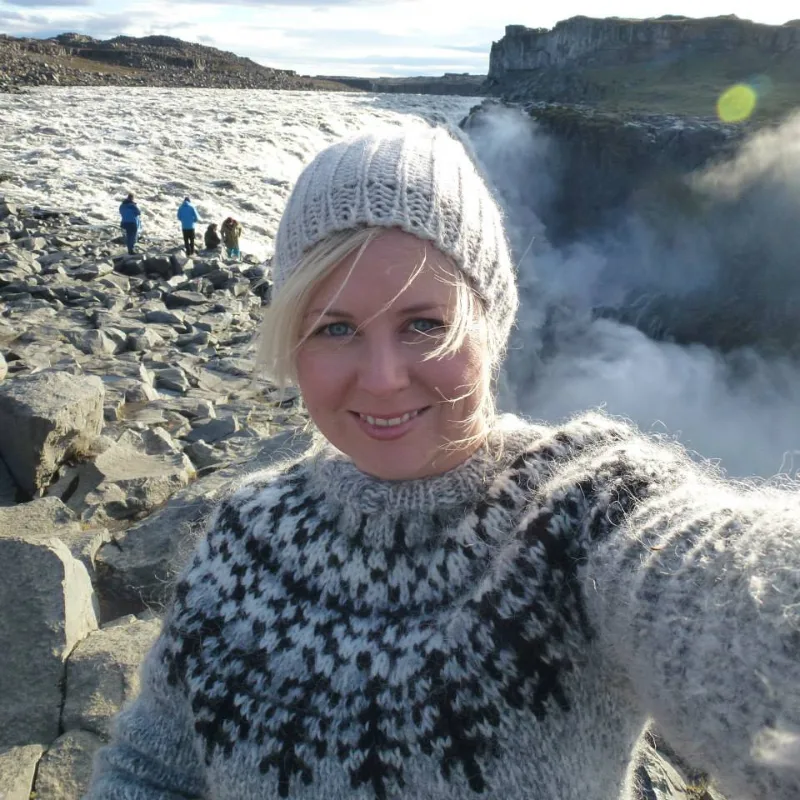
We stopped for dinner at Gamli Bistro which was quite popular among other visitors. Reindeer burgers were the evening special but I went with lamb soup – a traditional Icelandic cuisine.
Day 6: Mývatn, North Iceland
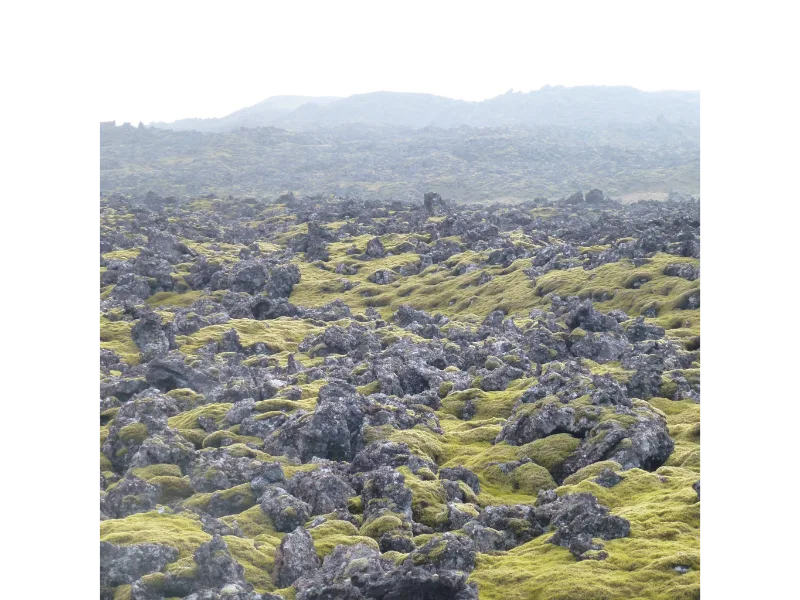
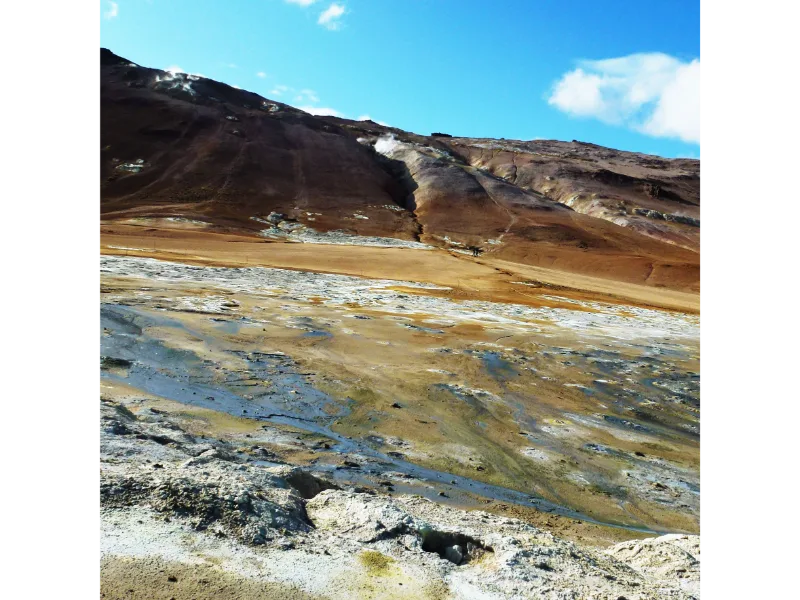
The Mývatn region is geologically fascinating. Expect to see bubbling mud pots, tephra bombs, volcanic craters and fumaroles that scent the air with the waft of egg.
Hverfell Tephra Ring
The morning started with a brisk walk up the Hverfell tephra ring. At the summit you can take in a wide view of the area. From here either continue on foot to Dimmuborgir or take a short drive to see the ‘Dark Castles’. Follow nature paths which lead you through an amazing lava field which has formed natural windows and caves. In September the Autumnal foliage lit the park up in the most beautiful burnt orange. But if you visit in late November/ December keep a lookout for The Yule Lads the Icelandic folk people of Christmas.
Hverir
Iceland’s geothermal activity is displayed in all it’s glory at Hverir. Discover mudpots, fumaroles and cracks in the earth that steam like a kettle. There are roped off areas to guide you to the safest path. Watch your step- the ground will literally melt the soles of your boots!
Day 7: Mývatn to Seyðisfjörður, East Iceland (200km / 2.5hr)
Movie buffs will be familiar with the long-boarding scene from ‘The Secret Life of Walter Mitty’. It was shot on the winding road that leads to Seyðisfjörður and was definitely worthy of the big screen. Waterfalls, ice caps and the incredible view as you descend the mountain on hairpin bends.
Seyðisfjörður
If I had the opportunity to do my trip over, I would have spent another day in Seyðisfjörður. An artistic and unassuming village with colourful cottages set on a tranquil fjord. A couple of the restaurants only served food during the Summer so perhaps this town that’s in its element during the warmer months when cruise ships come to port. But if, like me, off-season travel is more your thing take a walk around the town, admire the work of the local artisans and stop in for lunch at the Skaftfell bar/bistro. It’s a bit of a detour from the ring road, and there aren’t any specific tourist sites so to speak. But it was a charming place to explore.
Egilsstaðir
We headed out of town to spend the night at Ekra Cottages, 30km north of Egilsstaðir. There are only two cottages on the family farm, and so you get a taste of the isolation rural Icelanders experience. The hosts were fantastic and the two bedroom cottage was the best we stayed at during our stay in Iceland. Modern, cosy and with plenty of ammenities. We were lucky enough to glimpse the Northern Lights that night, and so this place will always hold a special memory for me.
Day 8: Seyðisfjörður to Höfn and Stafafell, Southeast Iceland (375km / 4.5hrs)
Höfn & langoustine
Höfn is famous for it’s locally caught langoustine (small lobster), so make sure to stop for lunch. We stayed at Stafafell Cottages which was conveniently located right off the Iceland ring road. Not the most modern cottage of our visit but a warm and dry place to rest your head.
Day 9 Stafafell to Skálafell and Jökulsárlóna, Southeast Iceland (160km / 2hrs)
I had made reservations for Guesthouse Skálafell, not realising how close it was to Stafafell Cottages. Guesthouse Skálafell have modern cottages and there are hiking trails to explore throughout the farm.
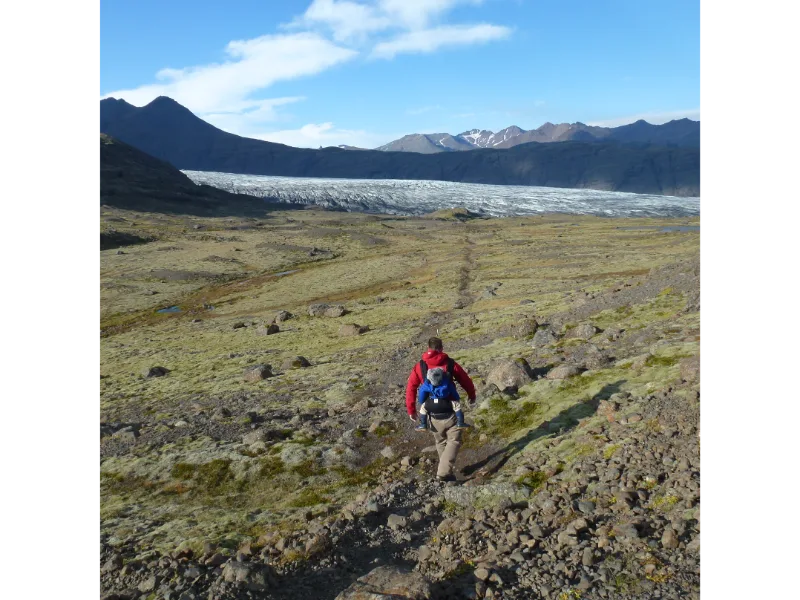
After days of only glimpsing glaciers we were thrilled to discover a hiking trail that led directly to a glacier. We set off expecting a one hour and a half round trip. But at the summit of the mountain, glacier just within sight, the weather changed. Despite reading about the unpredictability of Icelandic weather, it still takes you by surprise. Lesson learned: get advice from locals before heading out alone, check the weather and prepare for dramatic weather changes.
Jökulsárlóna
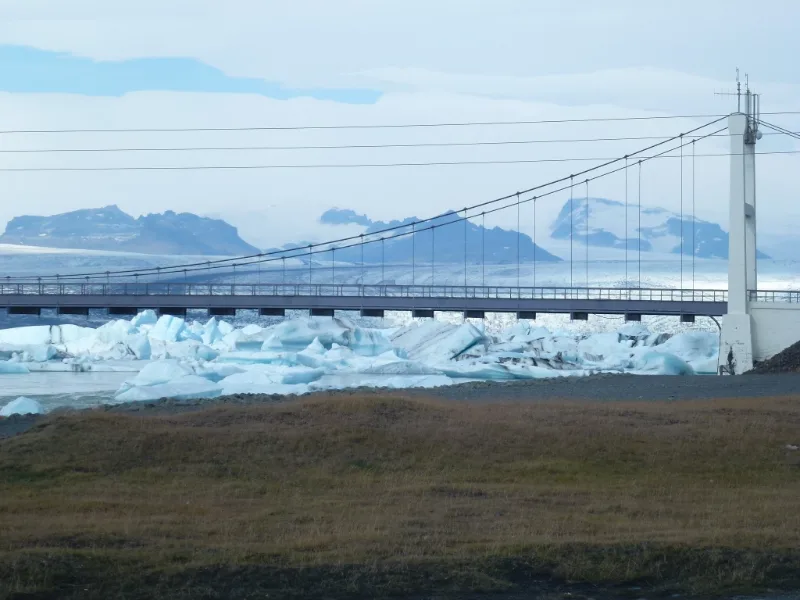
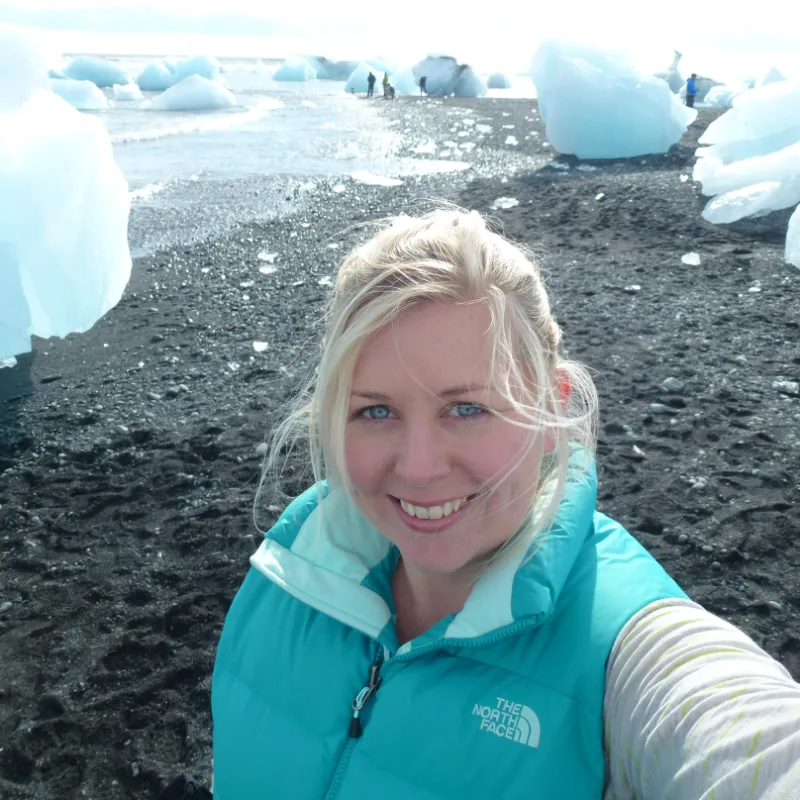
After a shaky descent we piled into the car to visit Jökulsárlóna. The Iceland ring road literally takes you over the glacial lake, filled with icebergs that are the most incredible blue. You can view the beauties either from the left or right of the bridge. I loved walking next to the icebergs on the volcanic beach. Nothing sets off the blue of the ice more than the backdrop of black beach sand. Allow a few hours here, you’ll want to take your time.
Day 10 Skaftafell National Park & Úthlíð, Southeast & Southwest Iceland (300km / 4hrs)
Vatnajökul glacier
After days of chasing glaciers, we finally got our wish. Off the Iceland ring road, just before Skaftafell National Park we visited the Vatnajökul glacier. Take the short drive down a gravel track to a hiking trail that takes you close enough to the glacier to hear the cracking, dripping and groaning ice.
A plaque as you enter memorialises two missing German tourists and serves as a warning to the dangers posed if you choose to step on the ice. If the call of the wild beckons you further, book a tour with a knowledgeable guide.
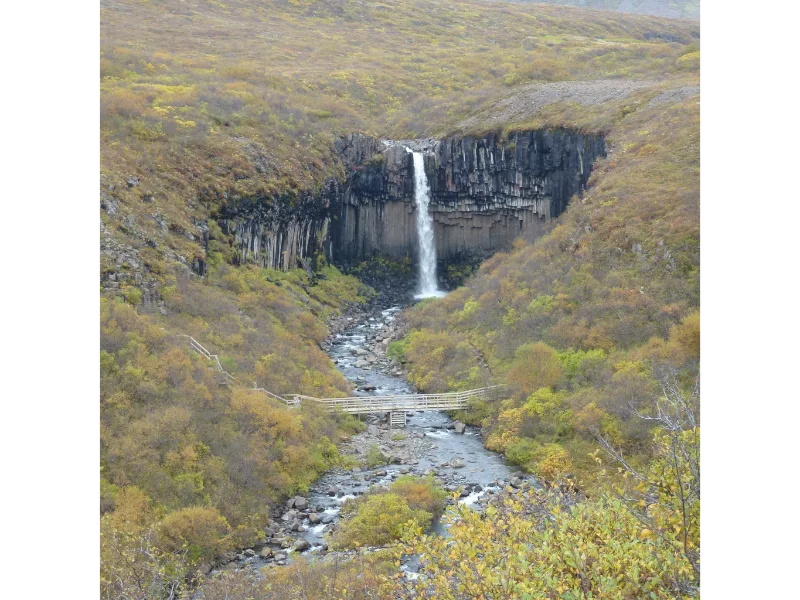
Further along the Iceland ring road is the entrance to Skaftafell National Park. You could easily spend a day or two here exploring the hiking trails or taking a tour. We chose to hike to Svartifoss, the highlight of the national park. Svartifoss features black columnar basalt, a rare rock formation of hexagonal pillars. This is an easy hike along an established trail and is about an hour and a half round trip.
Úthlíð
After our hike we had a long drive ahead of us due to a booking error. If you are following my itinerary I suggest you aim to stop in Vík as this sets a better pace. Unfortunately we had to press on to Úthlíð, 45minutes outside of Selfoss. The staff at Úthlíð were very hospitable, and the cabin was lovely.
Day 11 Úthlíð to Selfoss, Southwest Iceland (60km / 1hr)
After covering so much ground the previous day, the long stretches of driving were behind us. Úthlíð cottages were fully booked and so we headed to Vatnsholt Bed and Breakfast, another lodging outside Selfoss. The staff were kind enough to upgrade us to a larger room. Incidentally if you are staying in Selfoss this is a great base to revisit the Golden Circle.
Selfoss is a commuter town an hour outside of Reykjavik. Travellers who missed out on any landmarks on the Golden Circle can detour here and enjoy some final sight-seeing.
Day 12 Selfoss to Reykjavík, Southwest Iceland (60km / 1hr)
The trip was drawing to a close and we began preparations to return home. Most Icelandic service stations have free car washes so give your car a wash before returning it to avoid a cleaning fee. You can also submit your VAT receipts for a refund. We spent our last night at the Capital-Inn as it was close to the airport and we had an early flight the following day. If you don’t mind sharing a bathroom, the rooms were enormous and very comfortable.
Day 13 Farewell to the Iceland Ring Road
Return hire car and head home. Finally, don’t forget to post your VAT refund receipts after clearing customs as evidence of leaving the country.
A thirteen day Iceland ring road itinerary offers a comfortable pace and plenty of time to stop and see some of the amazing sights that this country has to offer. Incidentally, you may notice that I didn’t include a visit to the Blue Lagoon. Two words: Pube Lagoon. Google it if you must. But it was enough to put me off.
What was your most memorable moment on the Ring Road?
You may also be interested in Plan a trip to Iceland and Iceland with Kids.
How long does it take to drive the Iceland Ring Road?
The Ring Road (Route 1) is 1,332km (827 miles). For a realistic minimum an itinerary of 7–8 days can be done, but 10–14 days is ideal, giving you time to explore side roads, and not feel rushed. My itinerary covers 13 days, which I found gave a good balance of driving and exploring.
What is the best time of year to drive the Ring Road?
June to August is peak tourist season, you get the midnight sun, the most accessible roads, and the best weather. September is the sweet spot: less crowds, autumn colours, and the first chance to see the Northern Lights. October and beyond bring more Northern Lights opportunities but also shorter days, colder temperatures, and some F-roads and mountain routes closing for winter. I drove in autumn and would recommend it to anyone who doesn’t mind layering up.
Should I drive the Ring Road clockwise or anti-clockwise?
Either direction works. That said, most travellers go anti-clockwise (south coast first), which means you hit the dramatic waterfalls and black sand beaches early in the trip while you’re fresh. We drove clockwise in autumn as the south stays warmer slightly longer and you get the long boring stretches of driving over and done with at the beginning of the trip.
How far in advance should I book accommodation?
Iceland welcomed over 2 million tourists in 2024, guesthouses and farm stays fill up very quickly. Off-season visitors may be able to swing last minute bookings, but boutique properties are booked early year round. Aim to make reservations at least 6 months before your trip, especially for rural villages on the ring road – options outside Reykjavík are limited.
How much does a trip driving the Ring Road cost?
Iceland is one of the most expensive countries in the world. As a rough guide, budget around USD $150–250 per person per day for mid-range travel, covering accommodation, food, car hire and fuel, and one or two paid activities. Car rental averages $80–150/day depending on vehicle type and season, fuel costs are high (roughly $2–2.50/litre), and a basic restaurant meal runs $25–40 per person. Cooking some of your own meals using supermarkets like Bónus or Krónan will significantly reduce costs.
Do I need travel insurance in Iceland?
Yes, absolutely. Standard car hire in Iceland often comes with a basic collision damage waiver, but it typically excludes gravel damage, windscreen chips (extremely common on Icelandic roads), and off-road incidents. A separate gravel protection policy is worth every króna. More broadly, if you plan to hike glaciers, attempt F-roads, or do any adventure activities, ensure your travel insurance covers these activities specifically as many standard policies exclude ‘extreme sports’.
Do I need a 4WD to drive the Ring Road?
For Route 1 (the Ring Road) itself, a standard 2WD car is fine in summer. However, a 4WD opens up a world of side roads, F-roads (highland tracks), and gives you more confidence on icy or snowy roads in autumn and winter. If you’re travelling October through April, a 4WD with winter tyres is strongly recommended. We used a standard SUV and found it adequate for our autumn trip, but wished we had 4WD on a couple of detours. Visitors wanting to explore F-roads should note that it a 4WD is legally required on these tracks.
Are F-roads included in the Iceland Ring Road itinerary?
No, the Ring Road (Route 1) itself is fully sealed and does not include F-roads. F-roads are highland tracks that require a 4WD and are only legally passable in a suitable vehicle. Taking a 2WD on an F-road will void your car hire insurance and you risk fines. Some of Iceland’s most spectacular landscapes (the Highlands, Landmannalaugar, Þórsmörk) are only accessible via F-roads, so if those are on your list, plan accordingly and book the right vehicle.
What are the road conditions on the Ring Road in Winter?
The Ring Road is ploughed and maintained in winter, but conditions can change rapidly. Ice, snow, and high winds are all possible. Always check road.is (the Icelandic Road and Coastal Administration website) before driving each day, it shows live road conditions, closures, and weather forecasts. For your safety, never drive on a closed road. Some sections of the Ring Road in the north and east can be challenging in severe weather, and a 4WD with winter tyres is essential from October through April.
Can I see the Northern Lights on the Ring Road?
Yes, the Ring Road is one of the best ways to chase the Northern Lights because you can drive away from light pollution and follow clear skies. The Northern Lights season runs roughly from late August through mid-April. Activity peaks around the autumn and spring equinoxes. The key factors are a clear sky, darkness, and solar activity (check the aurora forecast at en.vedur.is). Mývatn, the east fjords, and the south coast offer especially dark skies. We saw them from our cabin window near Lake Mývatn in late September.
What should I pack for an Iceland Ring Road trip?
Iceland’s weather is famously unpredictable, prepare for four seasons in one day. Essentials include waterproof outer layers (jacket and trousers), thermal base layers, a warm mid-layer, waterproof hiking boots, and a hat and gloves even in summer. A swimsuit is essential for geothermal pools. Sunscreen and sunglasses are needed in summer due to the midnight sun. For the car, pack a physical map or downloaded offline maps (mobile coverage can be patchy in remote areas), snacks, a reusable water bottle (Iceland’s tap water is excellent), and a power bank.
Is it safe to travel to Iceland solo?
Iceland is consistently ranked one of the safest countries in the world and is very welcoming to solo travellers, including solo women. The Ring Road is well-travelled and most guesthouses are accustomed to hosting solo visitors. The main safety consideration isn’t crime, it’s the weather and terrain. Always tell someone your plans for the day, check road and weather conditions before setting out, and never underestimate Icelandic nature. Don’t approach cliffs, glaciers, or wave-exposed beaches without understanding the risks.
Are there free things to do on the Ring Road?
Many of Iceland’s most spectacular sights are completely free. Driving through the lava fields, visiting most waterfalls (including Skógafoss, Seljalandsfoss, and Dettifoss), hiking on trails through national parks, watching geysers erupt at Geysir, and experiencing the midnight sun or Northern Lights cost nothing. Paid experiences include the Blue Lagoon, glacier walks, whale watching, and some national park facilities. You can have a remarkable Ring Road trip on a budget by prioritising free attractions and self-catering. Most of your travel budget will go towards car hire and accommodation.
Can I drive the Iceland Ring Road with kids?
Yes, Iceland is a fantastic destination for families and the Ring Road is very family-friendly. Kids will be mesmerised by geysers, waterfalls, icebergs, and the chance of seeing the Northern Lights. The main considerations are the long driving days (break them up with stops), unpredictable weather (pack layers for everyone), and some activities not being suitable for young children (glacier walks, for example, have minimum age requirements). Accommodation is generally family-friendly and Iceland’s wide open spaces make it feel safe and freeing for children.
This post contains affiliate links. I may monetarily benefit from purchases made through provided links.